
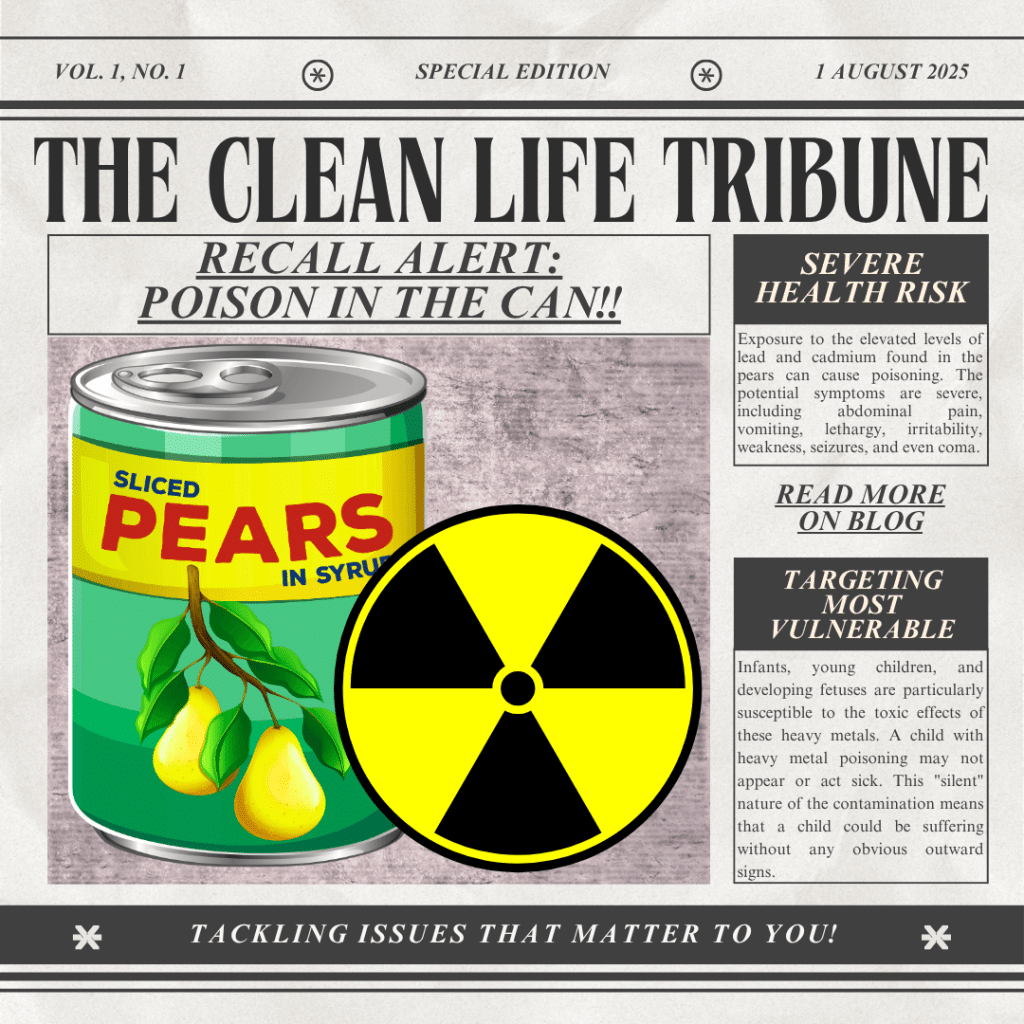
When you walk down the aisle of a massive grocery chain, you’re placing your trust in a nameless, faceless system. You’re betting that the slick packaging and official-looking labels are a guarantee of safety for your family. A recent recall shows just how bad that bet can be. A company called W.W. Industrial Group, Inc. has recalled its Parashore Pear Slices in Juice because they were found to contain elevated levels of lead and cadmium. These aren’t just minor ingredients; they are toxic heavy metals that have no place on our shelves or in our children’s bodies. This is the promise of “Big Ag”—convenience at a cost they hope you’ll never have to pay.
The cost of this failure is horrifyingly high. According to the Ohio Department of Health’s own announcement, exposure to these metals can lead to a nightmare list of symptoms, including abdominal pain, seizures, and even coma. What’s truly sickening is the silent threat this poses to our most vulnerable. The notice states that infants, young children, and developing fetuses can suffer from chronic exposure without showing any obvious symptoms. A child with heavy metal poisoning may not look or act sick at all. The damage is internal and permanent, leading to learning disabilities, developmental delays, and lower IQ scores. This isn’t just a recall; it’s a betrayal of the most basic trust we place in food producers.
This is the inevitable outcome of a food system that prioritizes scale over safety. The contaminated pears, with a “Best by” date of February 2027, were distributed far and wide to Grocery Outlet stores across the United States. The contamination was only discovered because the Maryland Department of Health happened to test a sample. This wasn’t the corporation policing itself; it was an outside agency catching them. This is the reality of industrial food: a vast, opaque supply chain where accountability is an afterthought and your family’s health is a statistic. They can issue a recall and a contact number, but they can’t reverse the damage done.
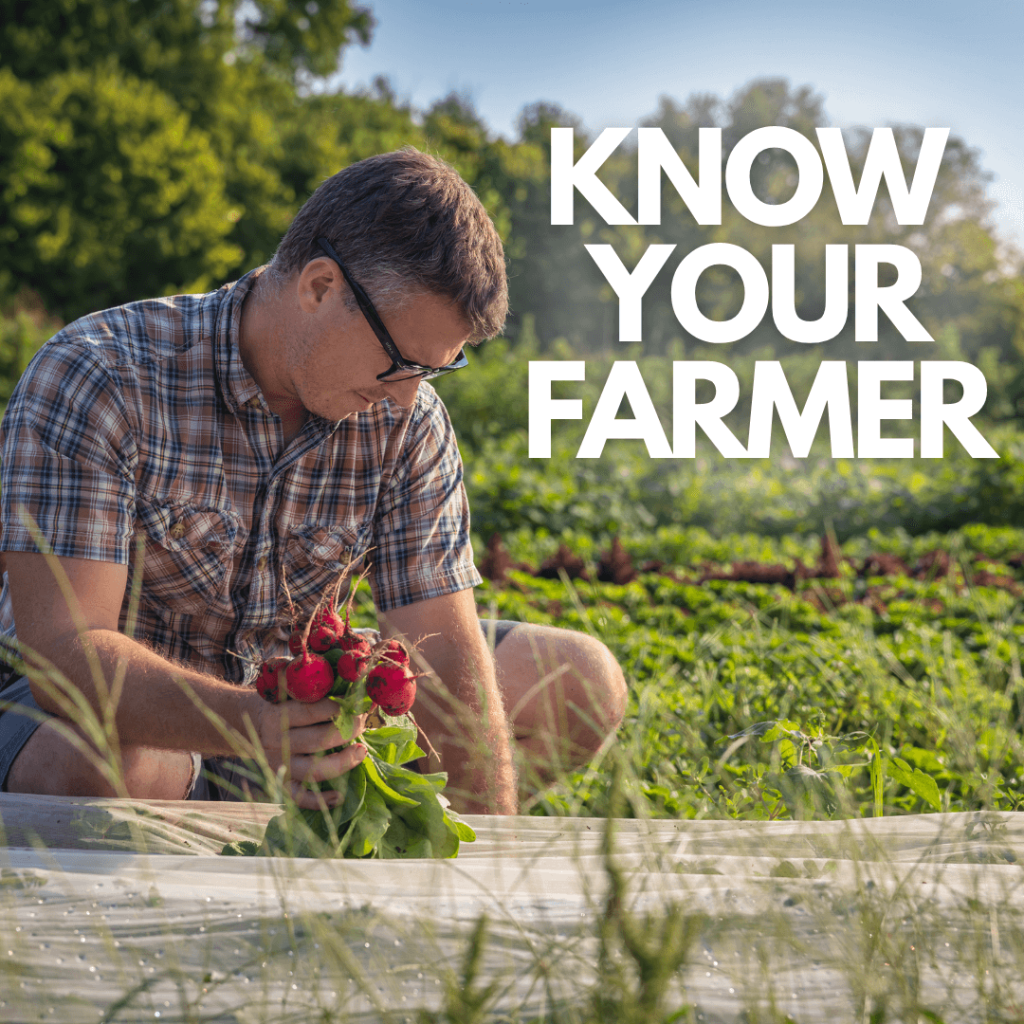
Here in Southwest Ohio, we know there’s a better way. We believe that food safety comes from a handshake, not a UPC code. It comes from looking your farmer in the eye and knowing where your food was grown. While we may not grow pears on our farm, the principle is the same. The safety they claim in their factories is a fiction. True safety comes from community, from small-scale farms that answer directly to you, not to a distant corporate office. Don’t let your family be a victim of their next “unforeseen” contamination. Choose local. Choose transparent. Choose the safety that only comes from knowing your farmer.
